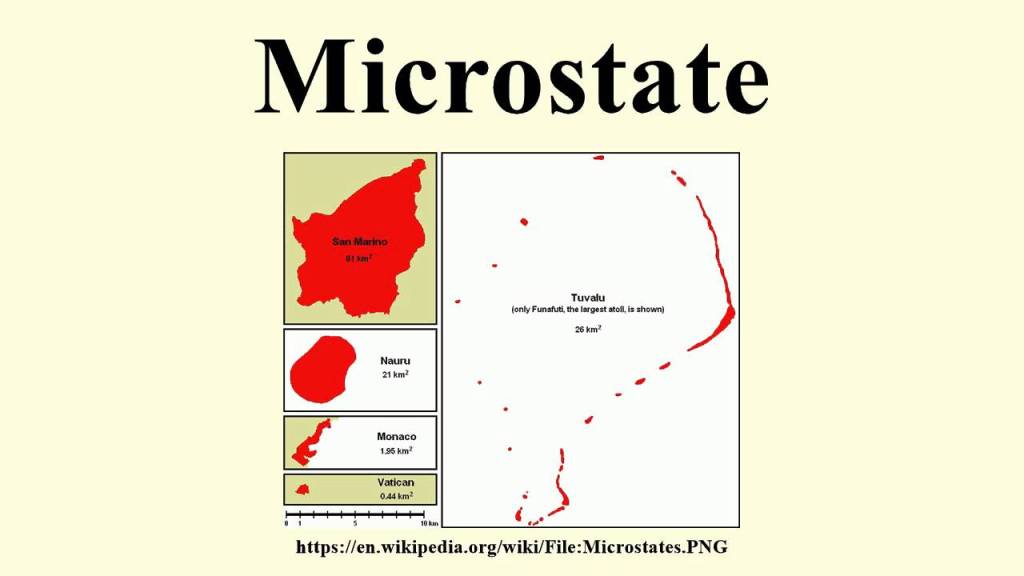
The land area of a nation doesn’t equate its power. Microstates, defined as a sovereign country with a small population or territory, encompass around 41 states. Some examples include Qatar, Singapore, and Monaco. These nations, though extremely tiny, exhibit large amounts of influence and power. They are able to achieve this through strategic diplomacy: engaging in economic specialization, policy, and even sometimes neutrality.
A notable example of this can be seen in Qatar. The small nation hosts high-profile sports events such as the 2022 world cup. Events like these draw the entire world’s attention, creating ripples felt through the global order. Singapore, another example, draws wealthy citizens from around the world. Its economic policies have created a “tax haven” for wealthy CEOs, businessmen, and many more.
The secret behind this success lies in adaptability and the expansion of influence. Microstates create opportunities through specialization, focusing on specific niches. This allows these nations to become a leader and sole influence in an extremely compact function. In addition to this, nonalignment or neutrality policies/strategies can give these nations an opportunity to act as intermediaries during conflicts and discussions, emphasizing their power and influence.
The influence of microstates continues to undermine typical views on what power should look and act like. In a world where countries such as China and the United States are viewed as global superpowers, microstates are beginning to emerge as new gen global powers.
 Student Diplomat
Leave a comment