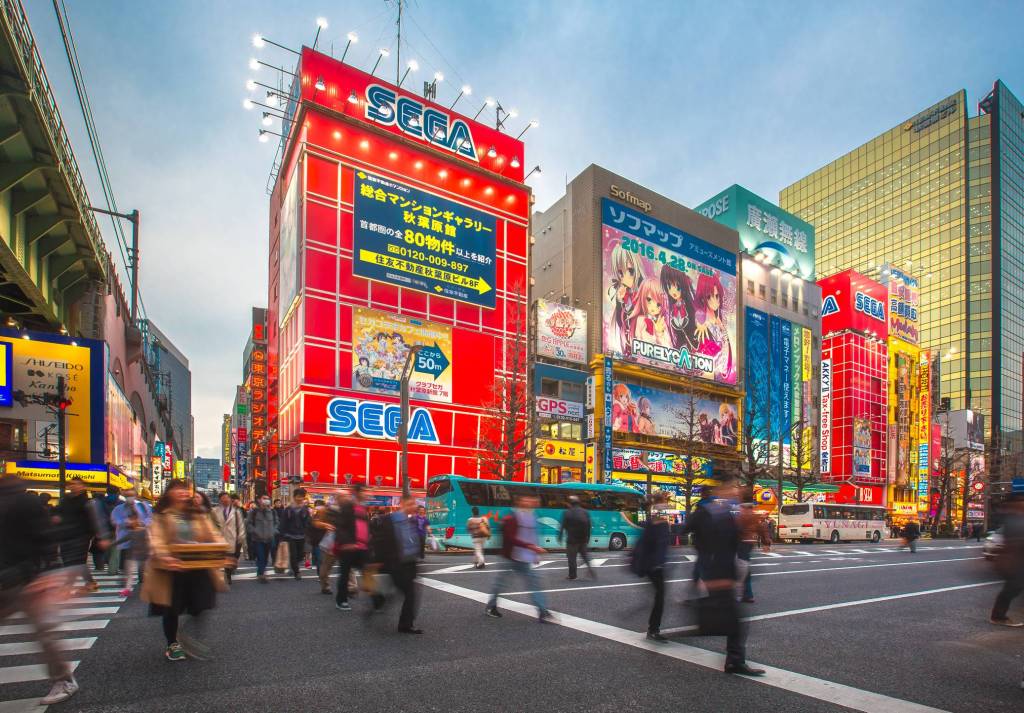
Japan has long been known for its entertaining anime and Pokémon car collections. The country has certainly built a global reputation for innovation—one that leaves many people in shock at its high-speed bullet trains, unique fashion, and modernity. Yet, this celebrated reputation hides a more calculated “Cool Japan” campaign, driven by soft power.
Background:
Following Japan’s World War II atrocities, the country immediately strived to present itself as a peaceful and technologically advanced nation. During the war, Japan allied itself with Nazi-run Germany, committing countless acts of aggression and atrocities across Asia. This included the Rape of Nanjing, where between 40,000 and 300,000 Chinese civilians and soldiers were killed, and tens of thousands of women were raped. The actions of Japan left irreversible scars across Asia and fostered a legacy of brutal violence and corruption. Yet, Japanese history books avoid these topics and present Japan as a country lacking accountability for its actions during World War II.
In the global context, Japan uses its many cultural exports (including TV shows, pop culture, etc.) to dominate international conversation about itself. In doing so, the nation is attempting to reframe its worldwide image, presenting itself more positively.
Soft Power in Action:
Japan’s media often emphasizes qualities including resilience, peace, and collaboration. This creates an image of charm and prosperity. The country’s innovations in fashion and technology further reinforce this display. In doing so, Japan is able to erase its part in World War II, having the entirety of the world focus on its modern achievements without ever taking accountability.
The “Cool Japan” campaign was created with the aforementioned goal in mind. Essentially, this initiative was intended to further strengthen the ties between Japan and other countries, making Japan seem “cool” in their eyes.
Shaping Memory through Education and Media
Domestic education within Japan has also taken a critical role in the erasure of history. Many nations and scholars have critiqued the textbooks of Japan, emphasizing their tendency to omit events that may paint the country in a bad light and to emphasize national pride. This, in combination with media campaigns, works to create the perfect presentation of Japan as a hub of cultural innovation and sophistication. The image of Japan as an imperial aggressor is long lost.
Films and anime from Japan often emphasize the tragedies that occurred within Japan during World War II, such as the bombing of Hiroshima. The nation intentionally avoids its own atrocities in an attempt to present itself as a victim of history rather than the perpetrator. Japan’s use of soft power is evidently shaping both our past and current interpretations of the nation.
Contested Narratives
Japan’s use of soft power, however, has not gone unaddressed. Both China and South Korea have criticized Japan for its avoidance of acknowledging its wartime atrocities and the necessity of reparations. Cultural soft power has allowed Japan to completely evade responsibility, charming the international scene with entertainment.
Yet, as students become more informed about the comprehensive side of history, this carefully crafted narrative will struggle to endure.
 Student Diplomat
Leave a comment