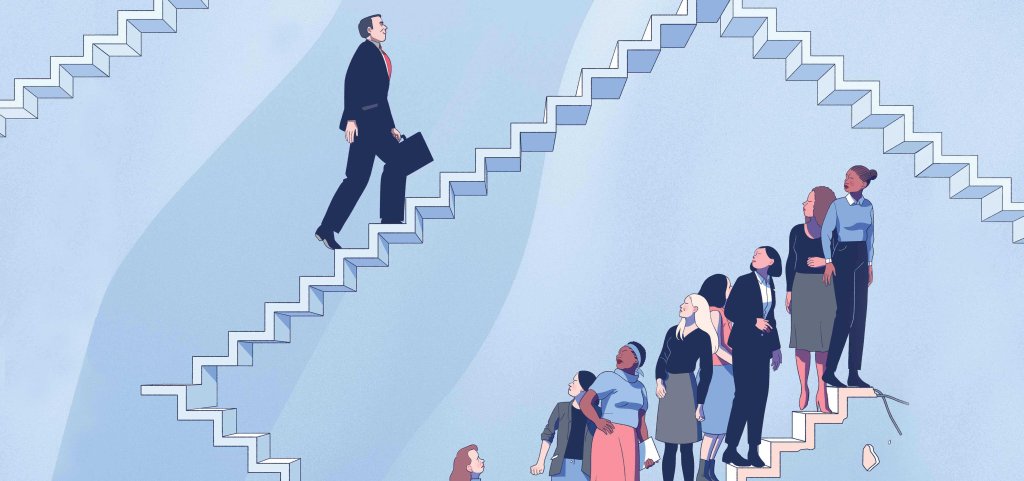
For decades, we’ve attempted to create an equitable world in which girls are afforded the same opportunities for education as boys. However, the reality is a far cry from this. It’s estimated that, internationally, there are about 119 million girls out of school and a mere 49% of established nations have attained equality in primary school education. This reflects the cultural and social barriers that persist in our society. In fact, many regions have normalized childhood marriage, economic inequality, and gender roles. Thus, even when education is readily available, many girls are unable to actually attend due to discrimination.
The impacts of this extend beyond just restricting individual opportunities. When girls receive an education, they’re less likely to marry at a young age, have higher incomes, and live a life with overall more autonomy. It’s essential that girls are afforded the opportunity to live long and independent lives for themselves.
Organizations, including the UN, have since launched ambitious programs to close the gender gap in education. UNESCO has created the Global Partnership for Girls’ and Women’s Education in order to provide women with scholarships and mentorships. In addition to this, many NGOs have also established micro-loan programs for women. This helps communities of women to establish businesses and build up wealth for themselves. However, despite all of this, girls continue to face exacerbated disparities.
In order to fully close the gender gap in education, we must first challenge the social institutions that allowed for these disparities to manifest themselves in the first place. It’s essential that we reject the normalized gender norms present in our society and focus on maintaining stable support systems. The future of our world and development rely on this: when girls are educated, communities thrive.
 Student Diplomat
Leave a comment