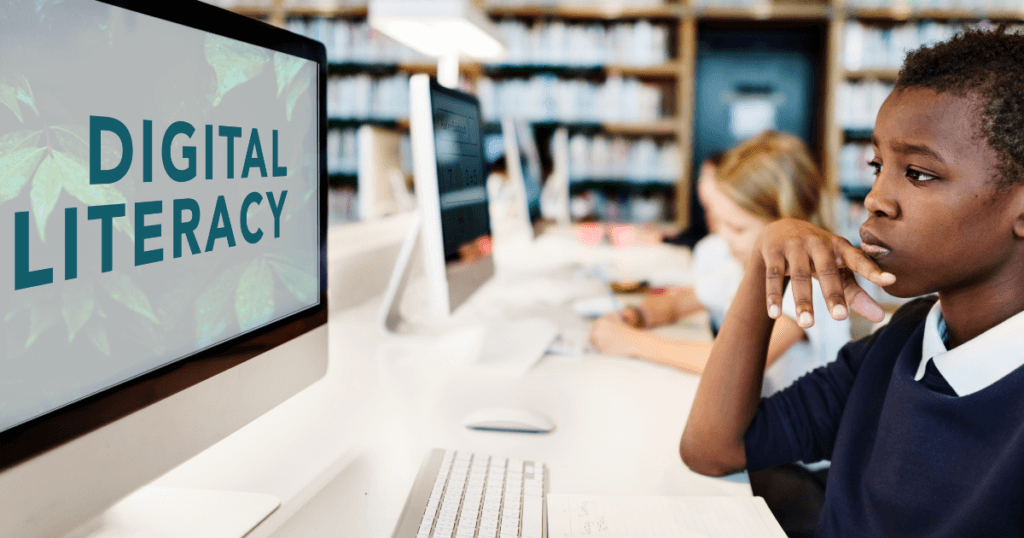
In an era where the internet and doomscrolling consume the lives of most Americans, digital literacy has transformed into a necessity. It’s essential that individuals are able to discern truth from fact. For instance, an AI deepfake vs a real photo, or even political propaganda. Identifying misinformation campaigns isn’t just a matter of personal agency, it also relates to our overall global state of stability.
Groups of individuals, from independent actors to state-sponsored hackers, utilize citizens’ gaps of digital intelligence in order to proliferate misinformation. This action can hinder the democratic process and create a more polarized society. The most dangerous examples of this can manifest itself in situations including a fake video, manipulated statistics, or even a false quote.
In seconds, people around the world can see these things, shaping debates, elections, or even diminishing trust in governmental organizations. An example of this is the 2016 US presidential election where confidential documents were hacked and released to the public. The information we read online impacts the way we vote and view our political leaders, thus an understanding of biases and misinformation is necessary.
It’s also often said that the most vulnerable aspect of a digital system isn’t in the software, but rather the user. It’s essential that digital literacy becomes ingrained in our contemporary educational institutions. Students must be taught how to recognize phishing scams and common biases when reading articles. This, in turn, will be able to transform national resilience against digital threats.
 Student Diplomat
Leave a comment