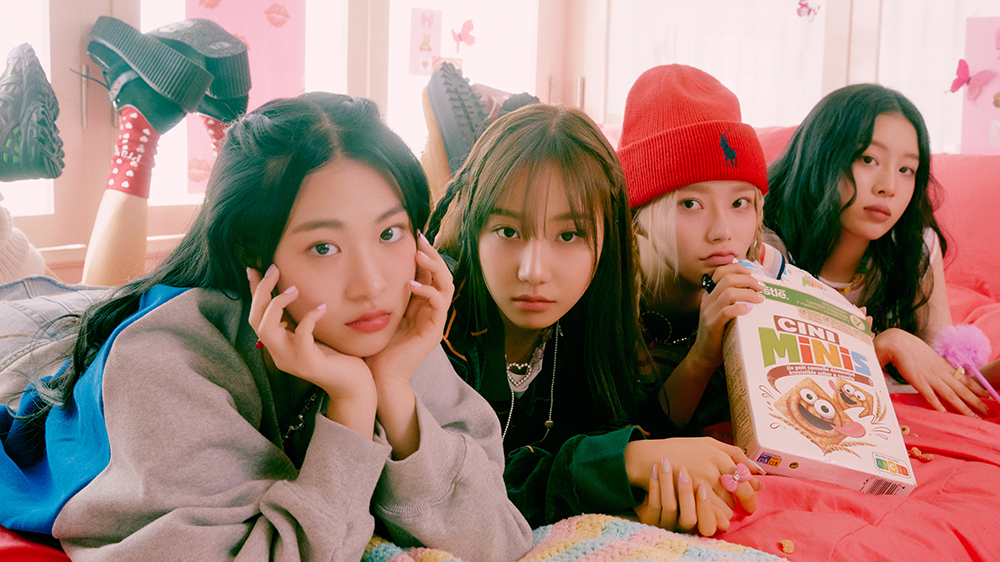
“I gave a second chance to cupid!” In 2023, a KPop song went viral on TikTok with millions of users, dancing along to the beat. 10 years earlier, the South Korean president had credited the country’s global cultural boom as the Korean Wave. It revitalized the economic and political scene of the country. Diplomats in suits couldn’t match the political power of 4 young girls in color coordinated outfits.
This is soft power in action.
Coined by political scientist Joseph Nye, this term is used to refer to a country’s ability to establish its position through means other than direct coercion such as militant power. Rather, it’s carried out via the country’s values, culture, and media. This is the difference between investing billions of dollars into tanks and being the face of a TikTok trend. In the context of younger individuals, especially gen Z, pop culture isn’t simply a form of entertainment, it’s also an opportunity to gain awareness of a global consciousness. As borders deepen and diplomacy falls into a stalemate, soft power is subtly influencing the power and position of countries on a global scale.
Pop Star Policy Influence
When New Jeans sell out in the Los Angeles SoFi stadium or BTS dominates your FYP page, these are more than pop cultural moments, they’re economic and political exports that ripple across the entire world. KPop alone contributes billions of dollars for the South Korean economy. However, the influence of this industry doesn’t end there. As fans from countries thousands of miles away consume this music and fashion, they also absorb the Korean language, values, and more often than not, positive perceptions of the nation’s identity.
Our nations’ governments are well aware of this fact. In the past the U.S. State Department has sent “jazz ambassadors” to countries in Eastern Europe, the Middle East, as well as central and southern Asia and Africa in order to promote cultural diplomacy efforts. In addition to this the Chinese Communist Party of China also banned “effeminate” male celebrities, primarily relating to K-pop fan culture on social media platforms. They perceived them as foreign threats to national values. These governmental policies are significant: pop culture, for better or worse, is a strategic battleground.
Music, Sports, and the World
The most prominent example of sports utilized as a soft power tool is the Olympics. It’s not just a simple sporting event, but rather a carefully choreographed exercise in establishing the global influence of a nation. From elaborate opening ceremonies featuring global pop stars and intricate decorations, nations are in constant competition to display their unique identity and create headlines.
From August 5-21 in 2016, Brazil hosted the Olympics. The government constructed vast looming walls to hide the scene of favelas located near touristic destinations. Favelas are poverty stricken neighborhoods within Brazil. Hidden nuances like these don’t erase political oversights but they do reshape the narratives and identities of a nation.
Forms of protest within sports can also wield soft power. This can be most notably exhibited when NBA fans wore “Stand with Hong Kong” shirts or Serena Williams spoke out about gender equity in Tennis. These actions rippled across the globe, sometimes even straining international diplomatic relationships.
The Role of Youth
Teenagers may not physically wield a vote in UN Security Councils discussions, but they continuously drive the influences that shape how these decisions are made. The rise of extremist fandoms, whether that be K-pop stans buying out Donald Trump rally tickets, or Swifties engaging in political discourse, isn’t just peripheral movements. It’s the new form of civic engagement.
Youth-driven soft power comes from all across the world. American high schoolers are learning Korean from Kpop song lyrics. Brazilian students are following the Black Lives Matter movement. London activists are remixing protest footage to pop songs on TikTok. Gen Z isn’t on the sidelines of political discourse. They’re already engaging with diplomacy through DMs, dance challenges, and digital story times.
Additionally, pop culture spreads significantly quicker than political agreements constructed through formal diplomatic channels. A Netflix show set in a Brazilian Favela has the opportunity to immediately spark conversations about favelas. A Beyoncé video might inspire someone to learn more about gender equality. Every product within a cultural context is an opportunity to question, advocate, and educate.
Limitations of Pop Culture
While having many benefits, many flaws still remain within pop culture soft power. It can be commodified and manipulated to disguise injustice and distract from various significant issues.. Misrepresentation in the media can lead to global fandoms being politically misinformed or ethically unaware.
However, simply dismissing pop culture as trivial misses the point. It remains one of the most influential tools of our time. From musical concerts to fashion microtrends, the potential of soft power is limitless. It’s what makes a country desirable and a cause visible
Pop Power
Gen Z is growing up in a world where global diplomacy might look more like a concert or wild edit than a formal summit. Thus, digital literacy is becoming just as integral as political discussions. The next generation of international relations won’t only be shaped by treaties but also by viral TikTok trends, tour dates, and hashtags.
Students have the unique ability to translate between both these worlds. They can decipher the political undertones behind a music video or connect global crises to TikTok. If we understand the soft power behind pop culture, we can use it not just to consume the world but to change it for the better.
 Student Diplomat
Leave a comment